Unraveling the Roots: The Heartbreakers' Untapped Beginnings
The Early Days of Mudcrutch and the Gainesville Music Scene: A Bassist's First Impressions
Ron Blair recounts his initial encounters with Gainesville in 1968, a town he found bewilderingly diverse with its hippie culture and abundant musicians. He describes his fascination with Mudcrutch, a band that defied easy categorization with its eclectic mix of blues, country, and psychedelic influences. Blair's intrigue eventually led to a friendship with Tom Petty, marking the beginning of a significant musical connection.
The L.A. Dream: Hopes, Realities, and the Search for a Record Deal
Benmont Tench reflects on Mudcrutch's move to Los Angeles in 1974, a city they optimistically viewed as the "Promised Land" for aspiring musicians. Despite their hopes, the reality was stark; they faced rejections from record labels, with one notable piece of advice suggesting they needed to refine their songwriting. Their perseverance eventually led to an offer from London Records, albeit with a condition to play Top 40 hits, a proposition that disheartened the band.
Unearthing Mudcrutch's Hidden Gems: A Look at the Box Set's Studio Tracks
The new box set, "Origins 1971-1978," sheds light on Mudcrutch's extensive studio recordings, prompting reflection on what a full Mudcrutch album could have sounded like. Tench shares insights into the band's diverse songwriting, acknowledging that a curated selection of Tom's compositions would have presented a more cohesive sound, distinct from his own experimental writing at the time.
Tom Petty's Apprenticeship: Sharpening His Craft with Musical Legends
Following Mudcrutch's dissolution, Tom Petty embarked on a period of collaboration with artists like Leon Russell and Al Kooper. Tench views this as a crucial apprenticeship for Petty, allowing him to explore various musical styles and cultures, which significantly honed his songwriting skills. This period was also a time of personal growth for Tench, who dedicated himself to improving his playing amidst the uncertainty of being on his own in Los Angeles.
The Birth of a Band: Instant Chemistry and the Making of "Mystery Man"
Ron Blair vividly recalls the first session with the musicians who would become The Heartbreakers, highlighting an immediate sense of comfort and camaraderie. He describes the effortless creation of "Mystery Man," a song that materialized with unexpected ease, leaving a lasting impression on him about the magic of collaborative music-making.
The Lineup Evolution: Navigating Early Challenges and Guitarist Changes
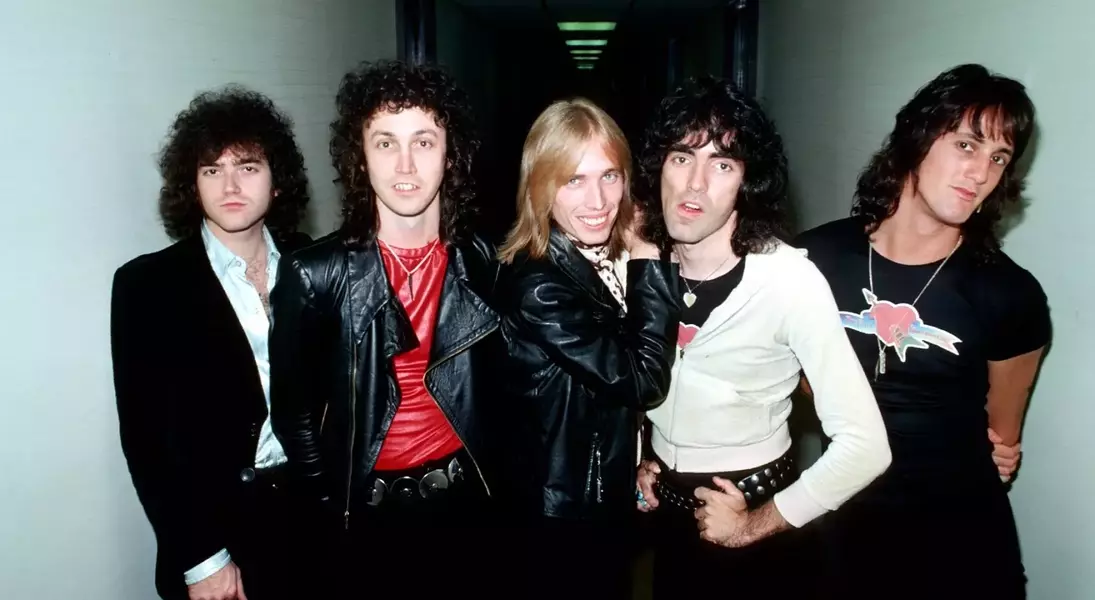
Tench clarifies that the initial formation of The Heartbreakers was his initiative, bringing together local Gainesville musicians in Los Angeles. The early promo shots featuring Jeff Jourard as a full member lead to a discussion about the band's evolving lineup. Both Blair and Tench agree that while Jourard was a talented guitarist, the band quickly realized they had "one too many" guitarists, leading to his eventual departure.
"American Girl": The Moment of Realization and a Defining Song
Ron Blair shares his distinct memory of recording "American Girl" on July 4, 1976, describing it as an incredibly original song that solidified his belief in the band's unique identity. Tench further dissects the song's unusual structure and lyrical originality, noting its non-rhyming verses and unique beat, making him wonder about its future impact.
Breaking into the UK: "Anything That's Rock 'N' Roll" and the Punk Scene
Despite the strength of early tracks like "American Girl," "Breakdown," and "Fooled Again (I Don't Like It)," it was "Anything That's Rock 'N' Roll" that first charted in the UK. Tench expresses surprise at this choice, attributing its success to its catchy pop appeal, which resonated with the British audience. The band's arrival in England coincided with the height of the punk movement, a scene that contrasted with their own style, yet shared common ground in their focus on short, concise, and catchy songs.
The Grueling Road: Winning Over Crowds and the Evolution of a Live Act
Blair and Tench recount the arduous early touring days, opening for acts like Al Kooper to often indifferent audiences. Despite the challenges of constant travel and sometimes sparse crowds, they viewed these experiences as essential for growth, fostering a resilience and dedication to their craft. They emphasize that regardless of audience size, their commitment to delivering a powerful performance remained unwavering.
From Tiny Clubs to Arena Stages: Opening for Kiss and Other Memorable Gigs
The band's early career involved a mix of intimate club performances and unexpected arena gigs, such as opening for Kiss. Tench recalls the surreal transition from a small club in Palm Beach to a basketball arena, highlighting the contrast in venues and the unique experience of seeing Kiss without makeup. These varied experiences contributed to their development as a live act.
The Second Album: Rushed Production and Lasting Impressions
Tom Petty often noted that their second album was rushed, a sentiment shared by Tench. He explains that while the first album benefited from a stockpile of songs, the second required more on-the-spot creation. Despite this, Tench points out that certain tracks like "Listen to Your Heart" and "I Need to Know" were already being performed live, showcasing Petty's continuous songwriting. The album contained some songs that quickly left their live repertoire, though fan favorites like "Magnolia" and the title track still held significance.
Knebworth Festival 1978: Overwhelming Crowds and Technical Glitches
Blair and Tench recall their performance at Knebworth in 1978, playing to an immense audience of 300,000 people. Blair describes it as their biggest and most overwhelming gig. Tench remembers a significant technical issue with his organ, forcing him to play the entire set on piano, a moment that underscored the pressure and scale of such massive events.
The Cordell Split: Business, Friendship, and Reconciliation
The departure of producer and Shelter Records owner Denny Cordell was a painful period for the band, particularly for Tom Petty, who felt the business dispute deeply. Blair likens Cordell's practices to those that exploited many artists in the early music industry. Tench describes the personal conflict, noting the eventual reconciliation years later, with Cordell even producing unreleased tracks for "Southern Accents."
Entering the "Damn the Torpedoes" Era: The Evolution of a Sound
Approaching "Damn the Torpedoes," the band felt the pressure of following up their initial works. Blair describes the jarring transition from relentless touring to immediate studio work. Tench reflects on the youthful spark of their first albums, where the band was still discovering its sound and synergy. He praises the individual talents within the group, emphasizing how each member pushed the others to excel, creating a dynamic and evolving musical identity.
Ron Blair's Return: Re-acclimation and Seamless Integration
Ron Blair rejoined The Heartbreakers in 2002 after a two-decade hiatus, an experience he describes as initially anxiety-inducing. Tench, however, asserts that Blair needed no help, noting his seamless return and the immediate rightness of his presence. Blair credits his improved attitude and focus on being a team player for his successful re-integration, feeling fortunate for the second chance.
The Chris Stapleton Reunion: Emotional Resonance and Musical Homage
The band's recent performance with Chris Stapleton at the Ryman in Nashville was a deeply emotional experience, marking their first reunion since Tom Petty's passing. Tench describes it as "pretty freaking cool," while Blair simply states it made him "happy." Tench reflects on the unique dynamic of playing with Stan Lynch again, highlighting the special groove they shared, particularly on songs like "American Girl" and "Breakdown," which brought a profound sense of "home."
The Future of Reunions: Hesitations, Hopes, and the Legacy of Tom Petty
When discussing future reunions, Blair expresses an openness, while Tench is more hesitant. Tench admits to the emotional and musical difficulty of playing without Tom, emphasizing Petty's central role in their sound. He remains wary of tributes unless they are exceptionally well-executed and thoughtfully curated. Blair acknowledges the irreplaceable force Tom was in keeping the band cohesive, but also feels Petty's enduring presence when they play, viewing it as serving his ghost.
Unreleased Treasures: What Remains in the Vault for Future Box Sets?
Tench reveals that there is still a wealth of unreleased material, including more Mudcrutch recordings and outtakes from various albums like "Let Me Up, I've Had Enough" and "Southern Accents." He expresses a particular interest in a "Southern Accents" box set that would align with its original concept. He also mentions the potential for live recordings from their tour with Bob Dylan and their acclaimed shows at the Beacon and Henry Fonda theaters.
Beyond the Band: Solo Pursuits and Memoir Musings
Both Tench and Blair share updates on their individual musical endeavors. Tench is beginning to write new material for a solo record, while Blair is also compiling songs for a potential album, admitting his apprehension about performing solo. When asked about writing memoirs, Tench humorously suggests his book would be blank due to his past heavy drinking, while Blair envisions a more observational, oblique take on his life experiences, offering a unique perspective on the world.