Reviving Retro Gems: GOG's Preservation Program Breathes New Life into Classic PC Games
Safeguarding Gaming's Legacy
The video game industry has long grappled with the challenge of preserving its rich history. As technology advances and platforms evolve, many beloved titles from the past have become increasingly inaccessible, leaving a void in the gaming landscape. However, GOG's Preservation Program aims to change that, taking a proactive approach to maintaining and updating a curated selection of retro PC games.At the heart of this initiative is a commitment to ensuring that these classic titles remain playable on modern systems, both now and in the future. By dedicating its own resources to maintaining compatibility and providing comprehensive support, GOG is taking a bold step to prevent the loss of gaming's heritage.
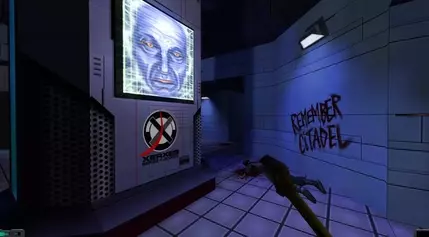
The program's launch lineup includes iconic games such as Diablo, System Shock 2, and the Resident Evil trilogy, with plans to expand the roster in the coming months. This carefully curated selection represents a diverse range of genres and eras, catering to the diverse tastes of the gaming community.
Ensuring Accessibility and Authenticity
One of the key features of the Preservation Program is the guarantee that the versions of the games offered will be the best and most complete available. This means that in addition to maintaining compatibility, GOG will also ensure that these titles come with all the necessary manuals, bonus content, and even missing features from other editions.Furthermore, the platform's commitment to providing offline installers for these games empowers users to safeguard their digital collections, ensuring that they can be accessed and enjoyed for years to come, regardless of any potential platform changes or shutdowns.
The program's emphasis on technical support is another crucial aspect, as it allows users to turn to GOG's experts if they encounter any issues in running these retro titles. This level of care and attention to detail underscores the platform's dedication to preserving the gaming experience as it was intended.
Addressing the Grim Reality of Game Preservation
The launch of the Preservation Program comes at a time when the video game industry is facing a growing crisis in preserving its past. A recent study by the Video Game History Foundation revealed that a staggering 87% of games released before 2010 are no longer playable, a sobering statistic that highlights the urgent need for action.This issue is further exacerbated by the trend of classic games being delisted from digital storefronts or entire platforms being shut down, leaving players unable to access their beloved titles. Even newly released games are not immune to this problem, as evidenced by the recent closure of Sony's Concord platform just weeks after its launch.
By acknowledging this grim reality and taking concrete steps to address it, GOG is positioning itself as a leader in the fight to keep gaming's history alive. The platform's commitment to acquiring and maintaining "all games no longer updated or maintained by their original publisher" is a testament to its dedication to preserving the medium's rich legacy.
Reconnecting with Our Gaming Roots
The Preservation Program's mission extends beyond mere technical preservation. It recognizes the deeper significance of these retro games, acknowledging that they have shaped the gaming landscape and our personal experiences as players.As the announcement states, "Games shaped us. Being able to play them is an essential part of reconnecting with ourselves. They must stay accessible, playable, and alive." This sentiment resonates with the gaming community, who cherish the opportunity to revisit the titles that have left an indelible mark on their lives.
By ensuring the continued accessibility of these classics, GOG is not only preserving gaming's history but also fostering a sense of nostalgia and connection that transcends time. It's a powerful reminder that the games we love are more than just digital artifacts – they are integral parts of our personal and collective gaming heritage.